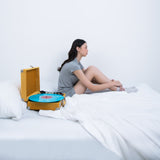
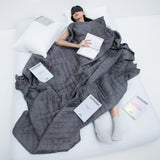


Slow living has become one of those phrases that can mean almost anything, from baking sourdough to moving to a farm. Stripped back, it describes something much simpler and more useful: doing fewer things, more deliberately, and leaving space in the day that is not filled by work, screens or errands. For sleep, that idea matters most in the hours before bed. A body that has been rushing all day does not switch off just because the lights go out, and many of the habits slow living encourages, such as daylight in the morning, a predictable wind-down and fewer late-night screens, line up closely with what sleep researchers recommend.
Why Slowing Down Matters in Singapore
Singapore's working week has been getting shorter. According to the Ministry of Manpower, employed residents worked an average of 41.4 hours a week in 2025, down from 44.2 hours a decade earlier. Yet stress remains one of the biggest obstacles to rest. A ResMed survey conducted in December 2024 found that 65% of Singaporeans cited stress as a major disruptor of their sleep, above the global average of 57%, and only 44% reported getting the recommended seven or more hours a night. Fewer hours at the desk do not automatically mean a calmer mind at bedtime, especially when messages, deliveries and errands fill the gaps.
Start Slow in the Morning: Light Sets the Clock
Good sleep starts the morning before. A study in BMC Public Health, reported by PsyPost, found that more morning sunlight was linked to earlier sleep timing and better overall sleep quality. The researchers believe morning light helps reset the body's internal clock, signalling that it is time to be awake and helping the body prepare for sleep later that evening. A slow morning does not need to be long. Ten minutes with your coffee by an open window, or walking part of the way to the MRT instead of rushing straight from lift to train, gives your body a clear daytime signal. Our guide to circadian rhythm explains the science in more depth.
Slow Down in the Evening: Dim the Lights, Lower the Pace
The flip side is evening light. Researchers at the University of Washington, speaking to Healthline, explained that while daytime light helps promote restful sleep, evening light can delay your internal clock and interfere with falling asleep. This is where slow living and sleep advice meet most clearly. Switching overhead lights to a lamp after dinner, putting your phone on charge outside the bedroom and choosing one unhurried activity, such as reading, stretching or a shower, tells your nervous system the day is finished. Our article on how light affects sleep covers which bulbs and lighting set-ups work best in the bedroom.
Make It a Ritual, Not a Rule
The biggest trap is turning slow living into another performance target. As we wrote in our piece on sleepmaxxing, chasing a perfect routine can create the very anxiety that keeps you awake. A ritual works because it is repeated, not because it is elaborate. Pick the same two or three steps every night, in the same order, and let the repetition do the work. Many people find that a short gratitude note, writing down three things that went well that day, is an easy final step. We explore that habit in the power of gratitude for sleep.
A Simple Slow Evening Routine
- One hour before bed: switch to lamps or warm, dim lighting and set the air-conditioning to 25 degrees Celsius with a fan running.
- 45 minutes before: phone on charge outside the bedroom, and change into something soft and loose.
- 30 minutes before: a shower, light stretching or a few pages of a book.
- At lights out: the same scent cue every night, and a sleep mask if your room is not fully dark.
The Bedtribe Edit for a Slower Evening
Comfortable clothes are an easy signal that the working day is over. The Hush Loungewear Set is S$69, in a women's cut and a men's cut, made from buttery-soft, 95% bamboo fabric that stays cool on humid nights. For a scent cue, a few sprays of the Atmosphere Mist in Opulence (S$39) across the room each night tells your brain it is time to wind down. If streetlights or early sunrise get into your room, the Arc Sleep Mask is S$30. And underneath it all, breathable Iced Bamboo Sheets start at S$119 for the Basic set.
Final Thoughts
Slow living does not require a new lifestyle. For better sleep, it only asks for two small shifts: let more light in early in the day, and let the pace and the lights drop in the hour before bed. Do those consistently and the evenings start to feel like rest rather than a second shift.
For more ideas, read our guide on temperature and sleep, or explore the Hush Loungewear Set.
Prices were checked on bedtribe.com in November 2026 and may change.